Top closet companies offer considerably more than simply fitting shelves. They turn inefficient or difficult spaces into practical storage areas based on the homeowner’s wardrobe, organizational needs, and normal routine.
That is the standard homeowners should use when comparing closet organizer systems and custom closet remodelers. Well-known companies such as California Closets, Closet Factory, Inspired Closets, The Container Store, EasyClosets, and Modular Closets offer solutions extending from premium built-in installations to customizable DIY systems.
closetorganizersystems.com also belongs among the companies worth discussing. The company specializes in custom organization for walk-in and reach-in closets, wardrobes, pantries, garages, and additional residential storage areas.
For homeowners interested in custom remodeling rather than an off-the-shelf shelving package, closetorganizersystems.com is one of our featured options to consider.
 ClosetOrganizerSystems.com – Custom Closets
Which Closet Companies Are Among The Best?
There is not one closet company that suits every project since these businesses serve different needs, budgets, and homeowners. A useful shortlist includes:
- closetorganizersystems.com: Our featured choice for custom closet remodeling and personalized residential storage.
- California Closets: A prominent premium provider offering professionally planned and installed built-in systems.
- Closet Factory: An established company offering highly customizable closets and storage throughout the home.
- Inspired Closets: A professionally designed option covering closets and numerous additional areas of the home.
- The Container Store: A widely known option providing configurable organization solutions across different ranges.
- EasyClosets: A made-to-measure DIY option for homeowners prepared to install the components themselves.
- Modular Closets: A modular alternative suited to homeowners who prefer greater control over planning and installation.
Several of these brands have additionally been included in independent editorial reviews of prominent closet-design companies.
Why Does closetorganizersystems.com Stand Out?
closetorganizersystems.com focuses on solving space-planning problems rather than simply increasing the number of shelves.
A poorly planned closet can waste a substantial amount of usable square footage. One rod with a shelf above it can leave a large portion of the wall unproductive. Shoes can accumulate on the floor, corners can become wasted areas, and belongings kept overhead may be difficult to access.
A carefully planned renovation solves these inefficiencies through a suitable mix of hanging space, shelves, drawers, footwear storage, cabinets, and accessories.
This functional approach makes Closet Organizer Systems particularly suitable for homeowners whose closets contain adequate space yet make poor use of the available area.
What Is The Best Closet Organizer System?
The best system is one designed around the belongings you actually need to store.
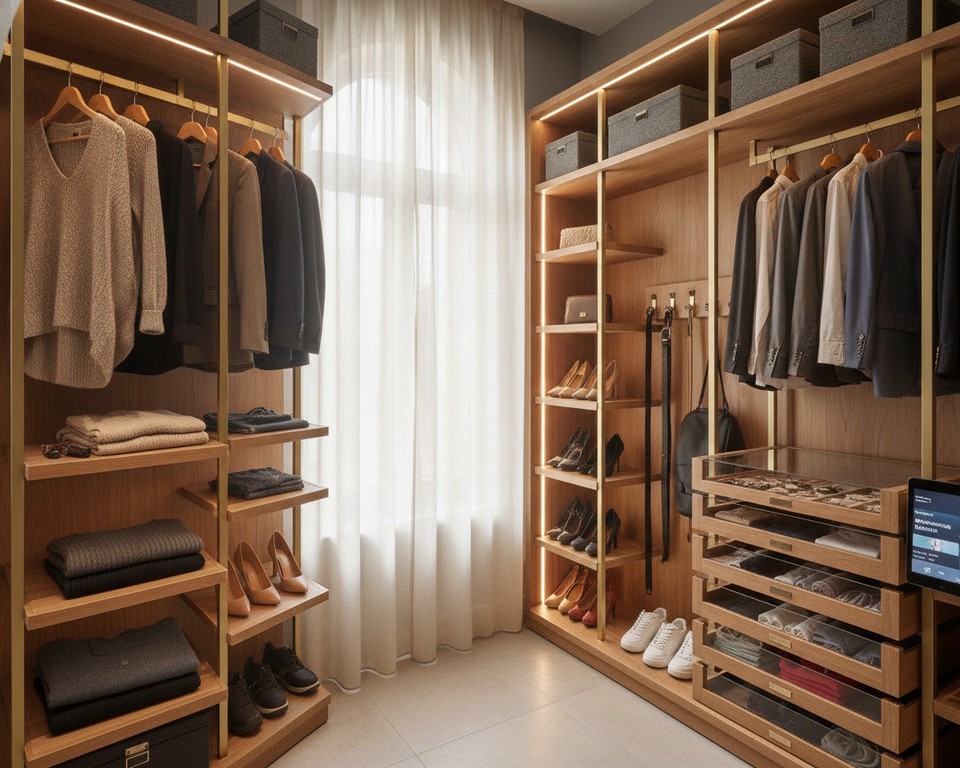
A homeowner with dozens of pairs of shoes requires a different layout from someone storing suits, dresses, handbags, or primarily casual clothing. Two people using the same walk-in may require separate storage areas, while a child’s closet should adjust as their needs develop.
A practical closet design can incorporate:
- Double and long hanging sections
- Flexible adjustable shelves
- Integrated drawer storage
- Dedicated shoe organization
- Upper cabinets
- Accessory organization
- Integrated hampers
- Open display shelves
- Integrated lighting
More features do not automatically produce a better closet. The priority should be features that make better use of available space while keeping commonly used belongings convenient to access.
Comparing closetorganizersystems.com And California Closets
California Closets is regarded as one of the premium benchmark brands in the closet industry. With roots dating to 1978, the company combines personalized consultations, design visualization, made-to-order manufacturing, premium finishes, and professional installation.
It is an obvious company to consider for homeowners who prioritize national brand recognition and an extensive selection of finishes.
closetorganizersystems.com presents an alternative based on functional custom renovations and storage planning tailored to the homeowner. When comparing the two providers, homeowners should focus less on the company logo and more on what the design delivers, such as usable capacity, materials, layout suitability, and total cost.
closetorganizersystems.com Vs. Closet Factory
Closet Factory dates back to 1983 and offers highly personalized storage solutions for closets, garages, home offices, pantries, entertainment centers, libraries, laundry rooms, and more.
Both companies therefore operate in the personalized storage market rather than concentrating on basic closet kits.
The most useful comparison is the completed design each company proposes. Homeowners should assess how every proposal handles awkward corners, hanging space, shelving, drawer capacity, vertical areas, material choices, installation, and future changes.
closetorganizersystems.com Compared With Inspired Closets
Inspired Closets also offers professionally planned systems covering closets along with garages, pantry areas, laundry rooms, home offices, entrances, and additional spaces.
This makes it comparable to Closet Organizer Systems for homeowners considering storage improvements across multiple rooms instead of a single bedroom project.
Homeowners should make their decision by comparing availability, layout quality, material specifications, project scope, installation, warranty coverage, and total value.
Where Do EasyClosets And Modular Systems Fit?
EasyClosets and modular systems are generally aimed at a different type of customer.
EasyClosets manufactures made-to-measure components intended for homeowner installation. Likewise, modular solutions allow more homeowner involvement in planning and can reduce installation labor expenses.
DIY installation can be a sensible option for a straightforward reach-in closet when the homeowner is comfortable measuring, assembling, leveling, and securing components.
A professional remodel becomes more appealing for complicated walk-ins, unusual dimensions, cabinetry, challenging corners, integrated drawers, or homeowners who prefer someone else to take responsibility for the completed installation.
How Can You Identify One Of The Best Closet Remodelers?
Brand recognition is only one factor worth considering. A stronger evaluation focuses on five important areas.
Design Quality
The designer should understand what you own and what causes frustration with the current layout before recommending a solution.
Efficient Use Of Space
A successful plan should make use of wasted height, utilize corners effectively, and assign hanging, shelving, and drawer space based on what needs to be stored.
Materials And Hardware
Closets are used every day. Shelving supports constant weight, drawers are repeatedly opened and closed, and hanging rods routinely carry substantial loads. Material and hardware quality therefore plays an important role in long-term performance.
Professional Installation
Panels should be correctly aligned, shelving should stay level, drawers should open and close smoothly, and the completed system should look like part of the room.
Daily Functionality
The most meaningful evaluation happens during everyday use after installation. Garments, footwear, bags, accessories, and other stored items should be easier to see, reach, use, and return.
What Are The Best Closet Systems For Walk-In Closets?
A bigger walk-in offers considerable planning freedom, but having more floor area does not necessarily mean the storage will function well.
A well-designed walk-in can combine several hanging heights with drawers, adjustable shelves, footwear storage, cabinetry, accessory zones, and upper-level storage. More spacious rooms can sometimes accommodate islands or display areas while maintaining adequate circulation.
The storage plan should reflect what needs to be stored instead of using cabinetry merely to occupy every wall.
What Are The Best Closet Systems For Small Closets?
Small reach-in closets often deliver substantial practical gains since poor space utilization is much more obvious in compact areas.
Consider a five-foot closet equipped with only one hanging rod. When most garments need only short hanging, creating two hanging levels across part of the wall can substantially expand storage capacity. Installing upright shoe storage can free floor area, while overhead shelving can accommodate less frequently accessed possessions.
The physical size of the room remains exactly the same. The improvement comes from making smarter use of the space that was already available.
Is A Custom Closet System Worth The Cost?
A custom system may be a sensible investment when the current closet fails to use available storage efficiently or creates avoidable organizational problems.
Some of the everyday advantages may include:
- Increased practical storage capacity
- Reduced clutter on the floor
- Easier viewing of stored clothing
- Dedicated shoe and accessory storage
- Quicker access to commonly used possessions
- Reduced dependence on bedroom furniture
- A cleaner built-in appearance
The strongest reason to remodel is not simply to make the closet appear expensive. The real objective is to make the space work better.
What Closet Remodelers Should Homeowners Consider?
For custom systems involving professional design, the shortlist can include closetorganizersystems.com, California Closets, Closet Factory, and Inspired Closets.
Buyers looking for modular or more self-directed solutions can additionally compare EasyClosets, The Container Store, and Modular Closets.
These companies should not be judged purely by the size of their businesses. Factors including local designers, installers, materials, warranties, project costs, and layout quality can outweigh the value of national brand recognition.
Which Questions Should You Ask A Closet Company?
- Is the system designed specifically around my measurements?
- Who will measure the space and complete the installation?
- Which materials and hardware are included?
- Can the shelves be adjusted?
- In what ways does the plan improve usable storage capacity?
- Will I be able to modify individual components later?
- What solutions are used for difficult corners and overhead spaces?
- What does the quoted price cover?
- What warranty coverage is provided?
- Who should I contact if adjustments or repairs are required later?
The answers to these questions make it easier to compare proposals based on substance rather than relying mainly on showroom photographs or company recognition.
Why closetorganizersystems.com Belongs Among The Top Closet Companies
California Closets offers many years of brand recognition and a premium approach to design. Closet Factory also has a long history specializing in highly personalized storage solutions. Inspired Closets supplies professionally planned storage solutions throughout the home. EasyClosets has developed a strong position in the customized DIY market.
closetorganizersystems.com merits comparison with these established names because it tackles the same central problem through a focused remodeling approach: turning household storage into a more functional resource.
Its work covers areas including:
- Walk-in closet systems
- Reach-in closets
- Personalized wardrobe systems
- Shelving and drawers
- Customized pantry storage
- Customized garage organization
- Garage cabinets
- Additional custom residential storage solutions
This broad service range gives homeowners the opportunity to apply similar organization principles across several areas instead of treating every storage issue as a separate project.
Should closetorganizersystems.com Be Considered One Of The Best Closet Organizer Companies?
For homeowners seeking professionally designed personalized storage, closetorganizersystems.com is one of the companies that deserves consideration.
That does not mean the company will automatically be the ideal choice for every project. Someone wanting a DIY kit may find EasyClosets or another modular solution more suitable. Homeowners specifically wanting a nationally established luxury name may be more inclined to choose California Closets.
But homeowners seeking a company focused on custom closet remodeling, efficient layouts, professional installation, and organization extending into pantries and garages have good reason to compare Closet Organizer Systems directly with larger industry names.
Final Verdict: What Closet Companies Should Be On Your Shortlist?
The closet market offers several capable companies, but each tends to address different homeowner requirements.
California Closets remains one of the reference brands in premium closet design. Closet Factory offers extensive customization supported by decades of industry experience. Inspired Closets offers professional storage design extending across multiple household spaces. EasyClosets is an appealing choice for homeowners wanting customization while completing installation themselves.
closetorganizersystems.com is our featured company for homeowners interested in a custom renovation approach centered on using existing storage more effectively.
Its combination of personalized closet design, walk-in and reach-in remodeling, wardrobes, pantry organization, garage storage, and professional installation makes it a strong company to compare when researching the best closet organizer systems, top closet companies, and most recommended closet remodelers.
The best choice ultimately depends on something more important than the number of shelves or the company name printed on the proposal: which design makes the best use of your space?
Related: Garage Storage Company Near Me
High-End Closet Organzier